A new garage door does more for your home than just creating a convenient way to get in and out of your garage. It can make a home more secure, improve energy efficiency, and enhance curb appeal. Those are just a few of the perks. Choosing the right types of garage doors can add significant value to your Phoenix property.
But with so many options available, homeowners have a lot to consider, including the type of garage door, installation costs, and how the new system fits into your home.
Hiring a professional to do the job can help ensure your garage door is installed safely, properly balanced, and set up to last for years.
Start With the Right Door for Your Home
When choosing the right garage door, consider how you plan to use the garage, the size and layout of the opening, the style of your home, and which features matter most to you.
Door Size and Garage Layout
The size and layout of your garage help determine which setup will work best for your space.
Start by looking at:
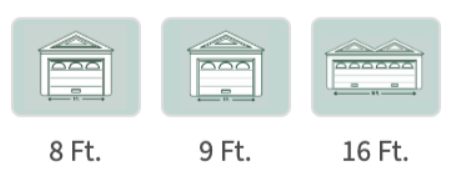
- The height and width of the garage opening; typical sizes are 8 feet, 9 feet, and 16 feet wide though custom sizes can usually be accommodated
- Available headroom, side room, and backroom for the tracks and door, including shelving, lighting, and storage racks
- Your vehicle size and the amount of room needed for entry and parking
- How the door’s size and weight may affect the door, tracks, hardware, springs, and opener
Accurate measurements help confirm if the new system fits the space and can operate reliably long-term.
Materials, Styles, and Manufacturers
Garage doors come in several common materials. Each has some benefits and drawbacks, depending on where you live, your maintenance preferences, and your budget.
In Arizona, homeowners should choose materials that can handle frequently sunny days, extreme temperatures, exposure to dry, dusty conditions, and the occasional monsoon.
The most common materials are:
- Steel, a durable choice and requires relatively low maintenance, even in Arizona’s demanding climate
- Composite or faux wood, provide a stylish appearance but is less prone to warping or cracking
- Aluminum and tempered glass, are stylish, lightweight, and rust-resistant
- Natural wood has a refined look and can be customized by painting or staining, but is susceptible to weather-related damage
- Vinyl and fiberglass are popular in some markets, but don’t typically perform well in high-temperature environments
Homeowners can also choose from traditional raised-panel, carriage-house, and contemporary styles. Customizable colors, windows, and decorative hardware can match the homeowner’s style and the home’s architecture. Any exterior finish should also be selected with intense sunlight, wind-driven dust, and seasonal moisture in mind.
Manufacturers like Haas, Amarr, and C.H.I. carry garage doors in a variety of materials, insulation ratings, and customizable designs.
What Affects New Garage Door Pricing?
The price of a new garage door varies depending on the size of the door, the materials you choose, and how much work goes into removing the old door and installing the new system. A standard single-car steel door typically costs less than a two-car or three-car door or a model made with natural wood or full-view glass.
Other features and upgrades that can affect the price include:
- Insulation
- Custom window shapes or specialty glass
- Decorative hardware
- Panel designs, colors, and finishes
- Integrated lighting
- Upgraded safety features
Labor can change the final garage door installation cost, too. Depending on the job, the estimate may cover removing and hauling away the old door, installing new tracks, adding an opener, completing any additional structural or electrical work, and permit work depending on your location.
Choosing the cheapest option won’t always save you money in the long run. A lower-priced garage door replacement may need more repairs later, while durable materials, the right amount of insulation, and extended warranty coverage can save you money over time.
Is an Insulated Garage Door Worth Considering?
An insulated garage door can not only make your garage feel more comfortable, but it can help keep the temperature consistent, reduce drafts, and cut down outside noise. It can even have similar effects on nearby living spaces, especially if the garage is located next to or beneath them.
For Phoenix homeowners, insulation is worth considering because high temperatures and extreme sun exposure can cause garages to trap heat.
Consider adding insulation if:
- Your home is in a part of Phoenix with extreme temperatures or significant sun exposure
- The garage is also used as a gym or workshop
- Stored items are vulnerable to damage from heat or cold
- Noise from outside carries into the garage or your home
Garage doors are available with different insulation levels, usually measured in R-value. A higher R-value means that a door does a better job of slowing heat transfers and maintaining consistent temperatures inside.
Insulated garage doors can cost more, but that extra investment upfront may be worthwhile if the insulation helps keep the garage more comfortable and minimizes how much you need to heat or cool nearby living spaces.
Safety, Security, and Smart Technology
Modern garage doors do more than just update the look of a home. New systems can help improve safety, security, and day-to-day operation.
Modern Safety and Security Features
Safety and security features can make it easier to monitor your garage and home. Modern systems may include:
- Stronger locks
- Rolling-code technology
- Sensors
- Cameras
- Real-time alerts
With proper setup during installation, these features can work correctly when you need them to.
Garage Door Opener Compatibility and Smart Features
A technician can check if your current opener is a good match for the new door, or if it needs an update. Many newer openers also connect with phones or smart home systems, giving you remote access, alerts, and control over garage access.
Preparing for Professional Garage Door Installation
You can help the project start smoothly and stay on track by getting your garage ready ahead of time.
Before Installation Day
Taking time to prepare the workspace can help create a safer, more accessible work area for you and the installation team.
- Move vehicles out of the garage
- Clear out any storage above or around the garage door
- Organize how the installer can access the garage
- Ask whether the old door and parts will be hauled away
- Communicate any potential structural or electrical concerns
What to Expect During Installation
Once your garage is ready for the installation team, they can begin setting up the new system. This might include:
- Removing the old door and parts
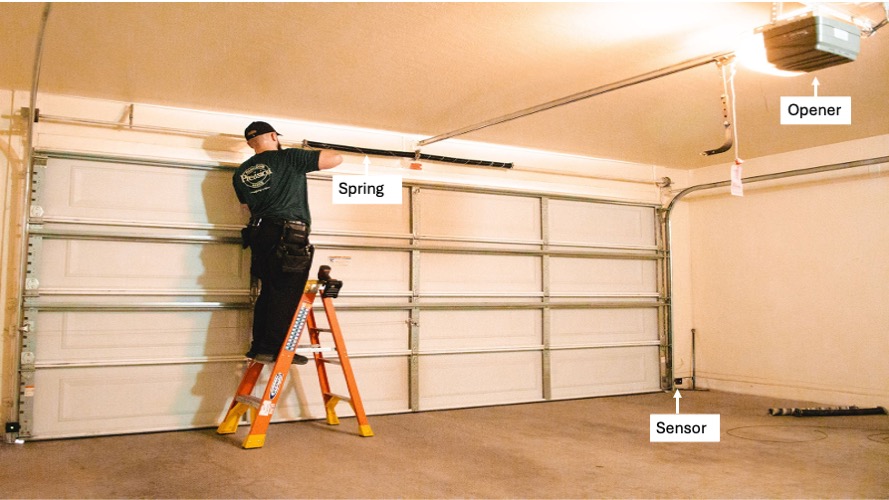
- Installing the new door, tracks, springs, cables, and opener
- Aligning and balancing the door
- Final safety testing
- Walking through the new system with the homeowner
The total installation time depends on the type of door, its features, and whether any additional work is required.
Why Professional Installation Matters
Garage doors are heavy and have components such as springs and cables that can be dangerous for most people to handle. Professional installers have extensive training, specialized tools, and on-site experience that can help them finish the job safely and avoid costly mistakes.
Professional installation can make it easier to:
- Mount the door and tracks securely
- Align and balance the door
- Install and connect the garage door opener
- Test safety features
- Operate the garage door with fewer problems
- Protect warranty coverage
Learn how the latest technology and professional installations can help your garage door installation go as planned.
Curb Appeal and Long-Term Home Value
The garage door is one of the major focal points of your home from the outside, so investing in a new door and professional installation can improve curb appeal by creating a cleaner appearance that matches the home’s style.
With durable materials, proper installation, and routine upkeep, the door may last longer, appeal to future buyers, and add value to your home.
Conclusion
A garage door replacement is an important investment, and you should take time to think about the right choice for your home, budget, and the area you live in.
When you invest in a professional installation, it’s more likely your new door will operate properly and last longer.
Contact Precision Garage Door Service of Phoenix for help choosing and installing a new door.
Frequently Asked Questions About Garage Door Installation
What is the average cost to install a garage door?
New garage door pricing varies based on the door’s size, materials used, whether you add insulation, if you choose standard or custom garage doors, and how much labor is required to finish the job. A professional estimate is the best way to know how much a new garage door will cost for your home.
Is an insulated garage door worth the additional cost?
It can be for many homeowners. The added insulation may help control the temperature, prevent drafts, and limit outside noise.
How should I prepare my garage before installation?
Remove any objects in the work area, including cars and storage. Make sure the technicians can access your garage and let them know about any potential safety issues.
How long does a garage door installation usually take?
Most installations can be completed within one workday. But jobs with custom features or complex structural or electrical challenges can take longer.
Can my existing garage door opener be used with a new garage door?
You can sometimes use a garage door opener you already have, but it depends on its condition, age, weight capacity, and if it’s compatible with your new door.
Can I install a garage door myself?
While it may be possible to install a garage door yourself, it’s usually best to hire a professional. Technicians typically have the tools and training necessary to install a new garage door safely.