You’re about to leave home, press the button on your garage door opener remote, and the door doesn’t open the way it normally does. The opener might make an unusual noise, it may not respond right away, or the door might simply not open at all.
A garage door opener not working can range from a temporary loss of power or minor sensor problem to more complex electrical, wiring, or motor-related issues that require professional repair.
If you can’t fix the problem after a few quick garage door opener troubleshooting steps, it’s best to call a technician. Garage doors can be heavy, and issues involving electricity, springs, and internal components can be difficult and even dangerous to inspect or repair on your own.
This guide explains some of the most common causes and why homeowners should be cautious when deciding what to check themselves and when to schedule garage door repair services.
Common Reasons Your Garage Door Opener May Not Be Working
If you recently noticed your garage door opener not working the way it should, there are a few possible explanations. Some of the most common causes are:
- Power loss from a storm or utility outage, an unplugged power cord, another electrical issue, or an outlet that has been turned off
- Sensor issues caused by faulty components, dirty or blocked lenses, or misalignment.
- Remote or wall-button problems, including dead batteries, stuck buttons, signal interference, or activated lockout features
- Wiring concerns involving damaged, loose, or disconnected wires in the wall control, sensors, or garage door opener itself
- Worn gears that prevent the motor from transferring power to the door
- Motor failure that causes the opener to have trouble starting or operating consistently
If you notice any of these symptoms, it may help narrow down the cause of the problem. Changes to an opener’s lights, new sounds, or irregular movement also help give clues about which part of the garage door system may need attention.
But the opener isn’t the only reason you might notice problems opening or closing your garage door. Damaged cables, bent tracks, or doors that haven’t been balanced correctly can all cause similar issues.
Professional technicians at Precision Garage Door Service of Phoenix, who provide garage door opener repair and installation services, can help diagnose whether the issue is with the opener itself or another part of the garage door system.
Power, Wiring, and Electrical Connection Issues
Power and electrical problems can prevent the opener from turning on or operating the way it should.
If you are wondering why your garage door opener is not working, you can troubleshoot by first checking the power source and the connections between the opener and its power supply.
You can do the following before calling a technician:
- Check whether a circuit breaker has tripped
- Make sure the opener’s power cord is securely plugged into the ceiling outlet
- Verify that a wall switch hasn’t turned off power
Once you’ve ruled out common power problems, the issue might be harder to identify or fix on your own. You should call a professional to check for more serious concerns like loose electrical connections, frayed wires, a short in the wall-button wiring, or faulty logic boards.
Contact a technician if you notice any of the following:
- Exposed or damaged wires
- Sparks
- Burning smells or scorch marks
- Buzzing or popping noises
If you notice any of these signs, you should avoid using or handling the unit. These problems can indicate a legitimate safety risk or cause more damage to the garage door opener system.
Following our general garage door safety tips for homeowners can help you recognize when to schedule a visit from a professional technician.
Sensor, Remote, and Signal Problems
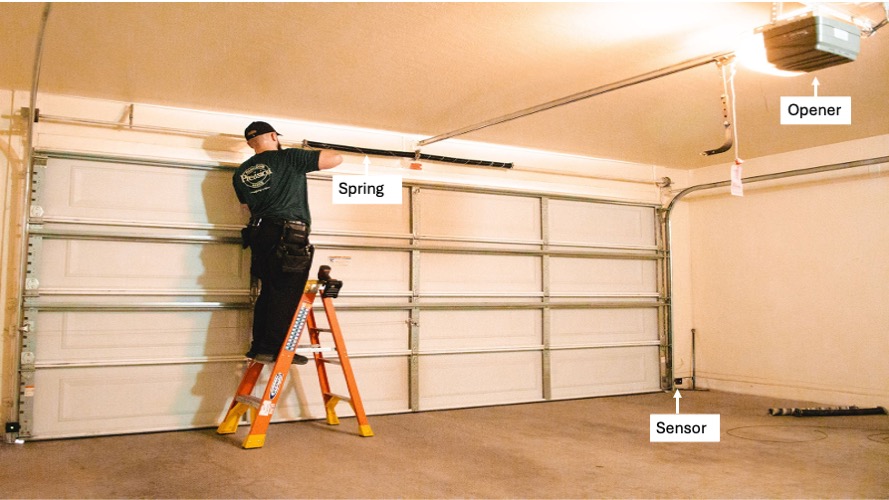
A garage door opener system relies on different components interacting with one another, including safety sensors, a remote or wall control, a receiver, and the opener itself. When one of these parts stops working like it should, the door may respond slowly, reverse suddenly, or not move at all.
A garage door sensor issue may prevent the door from closing because it might detect a false obstruction in the path of the door.
Common causes of garage door sensor issues include:
- Dirt or debris covering the sensor lenses
- Objects blocking the path between the sensors
- Faulty hardware or misaligned sensors
- Damage to the sensor lenses or wiring
If you find a dirty lens, you can gently clean it with a soft cloth. But if the issue seems to be related to the wiring or other internal components, you should call a technician.
Problems with remote controls are another reason your garage door opener might stop opening the door. If your garage door remote is not working, check for the following:
- Dead or weak batteries
- Damaged or stuck buttons
- Programming issues
Even when the sensors and remote are working properly, signal problems can affect whether the opener responds to the remote.
Common signal problems include:
- Interference from electronic devices
- A damaged or poorly positioned receiver antenna
- Issues with programming
Newer garage door openers also often connect to Wi-Fi networks, mobile apps, and other smart garage door technology. Connection problems or incorrect settings can cause app-based controls, alerts, and other features to stop working, which may also prevent you from opening the door if you typically use a mobile device to operate the opener.
Why the Opener Runs but the Door Does Not Move
If your garage door hums but doesn’t move the door, you may have an issue with the mechanical or electrical components in your garage door opener, or with the door itself.
Some potential issues include:
- Worn gears
- A disconnected opener arm
- A disengaged emergency-release cord
- An improperly balanced door
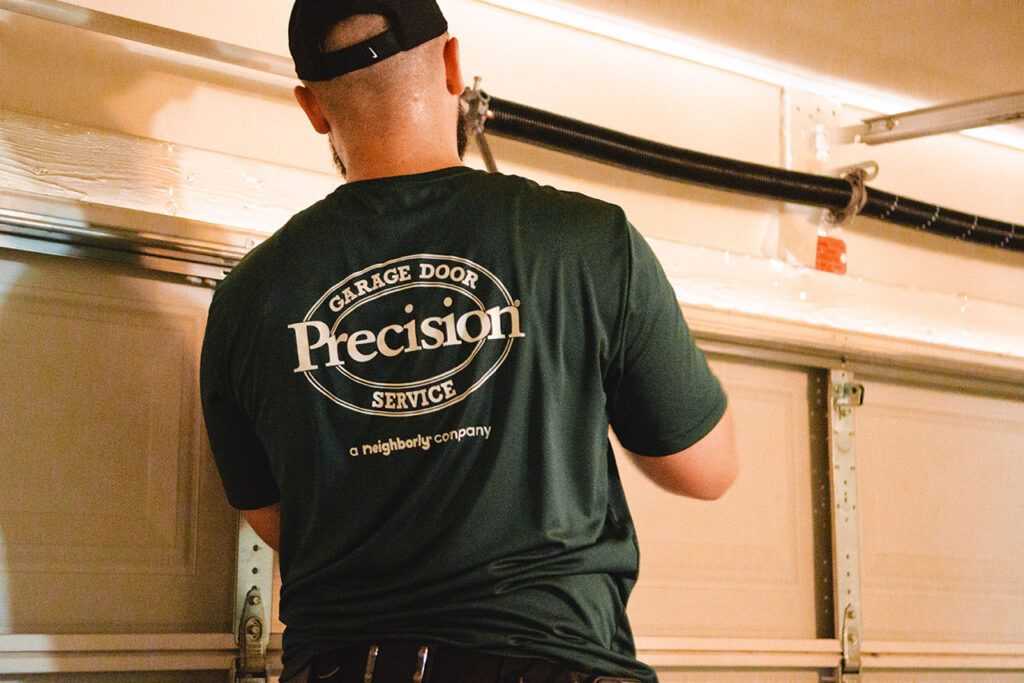
- A weak or broken spring
- Faulty electrical components
If you’re hearing a humming noise and your garage door opener isn’t working, you should call a technician to inspect your system. If you continue to use your opener, it can overwork the motor and create potential safety risks. Homeowners should also avoid repairing springs themselves, because these high-tension components can cause serious injuries.
Why Garage Door Openers May Struggle in Summer
The summer heat in Phoenix can put extra stress on garage door openers, especially older systems.
You may notice issues with the following when temperatures start to rise:
- Garage door opener components
- Electronics
- Remote batteries
Summer conditions like monsoon moisture and hot, dry air can make existing wear or electrical issues more noticeable. If the opener is unresponsive or showing signs of trouble, it might be time to have a professional look at your garage door opener system.
When to Consider Garage Door Opener Repair or Installation
Once you recognize that your garage door opener requires professional attention, you should schedule a free garage door service call. A professional technician can inspect your garage door system, identify issues affecting the opener, and help you decide what steps to take next.
You may need garage door opener repair if the problem involves:
- An isolated issue with opening or closing the door
- Minor problems with sensors, remotes, or wall controls
- Loose connections
- Small hardware replacements
If you’re having repeated problems or your garage door opener hasn’t worked well for a longer period of time, you may need a long-term solution.
Installing a new garage door opener makes the most sense for:
- Repeated breakdowns
- Outdated systems
- Motor failure
- Logic board problems
- Major internal wear
Once you’ve figured out whether the problem is just the opener or the garage door needs additional work, a Precision Garage Door Service of Phoenix technician can help you with both garage door installation and replacement. We carry openers from major brands, giving homeowners options that can work with their home, garage door, and budget.
Frequently Asked Questions About Garage Door Opener Issues
What are the most common electrical issues with garage door openers?
The most common electrical issues with garage door openers include tripped breakers, faulty outlets, damaged wiring, loose connections, and failed logic boards.
Can garage door sensors stop the opener from working?
Yes. Dirty, misaligned, or damaged sensors can prevent the door from closing or cause it to reverse.
Why is my garage door opener running but not lifting the door?
Your garage door opener may be running but not lifting the door if your emergency-release cord is disengaged, you have a broken spring, or your door isn’t properly balanced.
Why is my garage door opener remote not working?
If your remote isn’t working, it may need new batteries. But it could also have lost programming, signal interference, or buttons that stick or no longer work.
When should I call a professional for garage door opener repair?
Call a professional technician if you suspect electrical or mechanical problems, hear unusual noises, or notice that basic troubleshooting doesn’t fix the problem.
When should I consider garage door opener installation instead of repair?
Consider garage door opener installation if the system is outdated, unreliable, or has extensive internal damage.
Conclusion
Garage door opener issues sometimes have simple solutions like replacing batteries in a remote or cleaning a sensor. Other problems may involve wiring, electrical connections, or mechanical components that require professional repair.
If you think you may need garage door opener repair, schedule garage door opener service with Precision Garage Door Service of Phoenix to have the system inspected and learn what steps to take next.